

Human Resources System for Educational Institutions

About JUNJI

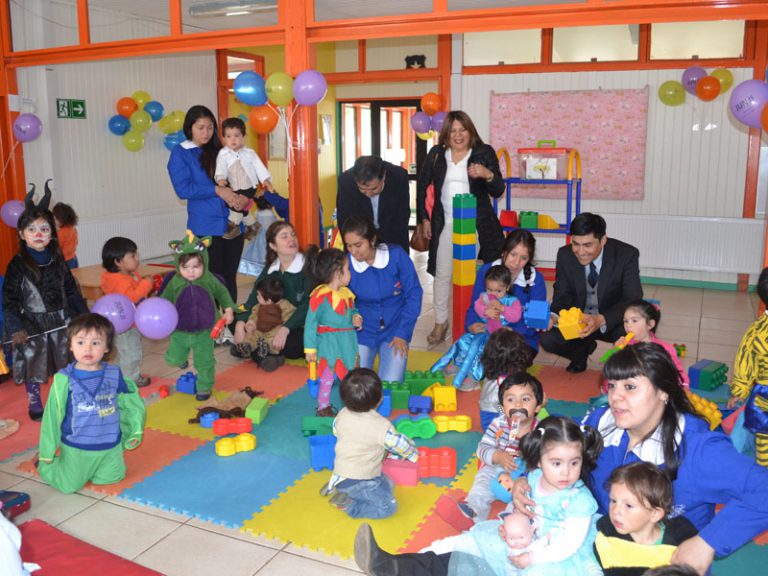
The Kindergartens National Board (JUNJI) is Chilean government agency created in 1970, under the Education Ministry. It is in charge of 5,500 nurseries and kindergartens. Its mission is to provide quality early childhood public education and well-being to children under four years old, prioritizing those who come from families that require greater contributions from the Public Sector.


PROJECT OVERVIEW

For JUNJI, a Human Resources Management System was implemented to support public early childhood education, with the goal of centralizing all personnel-related information, including payroll, attendance, training, and other key workforce data.


How We Did It ?


  • Base Architecture
    First, we designed the core architecture for the Human Resources system. The greatest complexity lay in managing public-sector payroll structures and bonuses, which are governed by specific regulations applicable to both the public system and JUNJI as an institution.
  • Time & Attendance System
    Next, we built a time and attendance control system for both internal and external staff. This was achieved through a local version that records clock-in/clock-out events and a central version that collects and processes these records. This approach enabled the generation of reports and accurate tracking of hours worked.
  • Payroll Process Assessment
    We also analyzed and documented the payroll processes used in different regions for employee compensation. This included documenting payroll workflows with process flow diagrams, process descriptions, high-level procedural documentation, and the associated legal framework.
  • Online Enrollment System
    Additionally, we developed a web-based platform that allows parents and guardians to autonomously enroll children through a public-facing website. In parallel, we optimized the existing Back Office system to support the institutional improvements introduced as part of the project.
 

Time & Attendance Module

This module records information from each employee’s Personnel File and includes a set of workflows that allow staff to request different types of permissions, enabling greater control and oversight of employee activities.

The primary objective of this module is to automate the review of attendance records, including tardiness and absences. To achieve this, several HR system modules were developed to support a centralized time and attendance solution.
The core functionality is based on a calculation engine that considers:
  • Employee work schedules
  • Approved permissions and leave requests
  • Clock-in and clock-out records collected from multiple JUNJI facilities nationwide
These facilities are managed by a secondary application (Local Time Clock System), which uses biometric readers to record and validate clocking events before transmitting them to the central system.
As a result, JUNJI gains fast, standardized access to attendance information, replacing legacy time-tracking methods previously used by the institution (such as MicroControl systems and physical attendance logs).

TECHNOLOGIES USED

Technical Project Details

The system was built using JAVA/JEE, the Spring and Hibernate frameworks, and an Oracle database.

Overall, the project spanned 30 months, covering all implementation phases, and followed the Agile Scrum development methodology, with processes aligned to CMMI standards. The project team included management roles, solution architects, functional analysts, software developers, and QA analysts.

If you’d like to learn more about this success story or about our experience delivering services for this industry,